Gorean Lifestyle - House of Phoenix
A view of the Gorean Lifestyle and Philosophy based on the Books
Series 4.a – Where to Start with the Books of Gor – Part 2: Saga in Stages: Phases of the Gorean Journey – Stage 1
Though the Gorean saga is one long continuum, it’s helpful to break it into phases, each with its own focus and feel. Here’s a roadmap of the journey, with light spoilers (I won’t ruin major twists, only set the stage):
1. The Early Adventures (Books 1–6): From Earthman to Gorean Warrior
Key books: Tarnsman of Gor (1), Outlaw of Gor (2), Priest-Kings of Gor (3), Nomads of Gor (4), Assassin of Gor (5), Raiders of Gor (6).
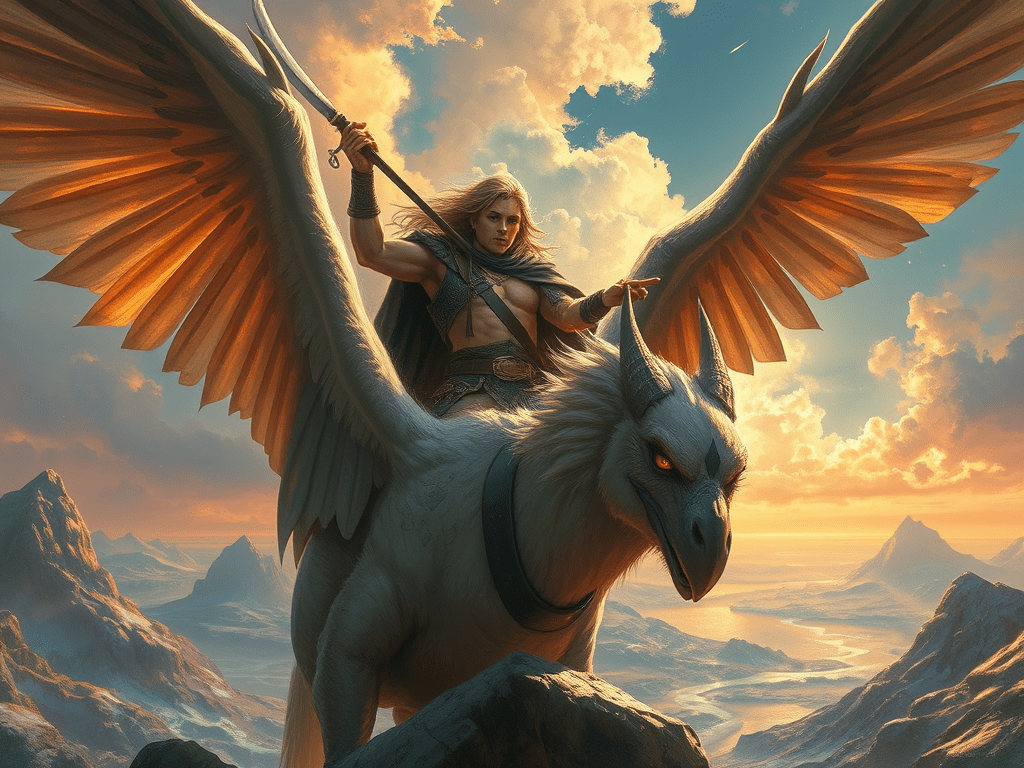
These first six novels introduce us to Tarl Cabot, an unassuming Earth man (a college professor, no less) who is mysteriously transported to Gor. In Tarnsman of Gor we meet Tarl as he learns the ways of this counter-Earth – mastering weapons, bonding with his gigantic flying mount (the tarn), and undertaking a daring mission that throws him into war between city-states . New readers will enjoy this book’s old-fashioned adventure vibe: it’s very much in the vein of Edgar Rice Burroughs (think John Carter of Mars), complete with duels, a rescued damsel (the proud noblewoman Talena), and a clash over a city’s sacred Home Stone. By the end of Book 1, Tarl has tasted both victory and tragedy and earned fame as a warrior – but he’s still torn between his Earth upbringing and the brutal code of Gor.
Books 2 and 3 significantly widen the lens. In Outlaw of Gor, Tarl returns to Gor only to find himself framed and exiled in the great city of Ar . As an outlaw, he navigates intrigue and encounters the barbaric splendor of Gor’s most powerful empire. This novel sets up one of the saga’s central human conflicts – the power struggles of Ar – and develops Tarl’s personal relationships (including his love for Talena and his loyalty to his home city of Ko-ro-ba). In Priest-Kings of Gor, Norman shifts gears into science fiction: Tarl travels to the remote Sardar Mountains to seek the truth about Gor’s gods. What he finds are the Priest-Kings – an ancient race of secretive, hyper-advanced alien insects – and becomes embroiled in the cataclysmic “Nest War” among them . This is a pivotal book philosophically and plot-wise: it reveals why Gor’s technology is kept primitive (the Priest-Kings forbid advanced weapons) and introduces their rivals, the predatory Kurii. By surviving deadly tests in the underground Nest and witnessing an alien civil war, Tarl gains a new sense of purpose. He’s no longer just an Earthman playing hero on Gor; he becomes a chosen agent (or tool) of the Priest-Kings in the balance of power on Gor .
From Book 4 onward, Tarl’s adventures take on a wanderer’s flavor. He explores different cultures of Gor, each novel almost a self-contained travelogue with its own mini-plot. In Nomads of Gor, he lives among the Wagon Peoples – fierce steppe nomads (reminiscent of Mongols) – and gets caught in a tribal conflict and a high-stakes talarion (Golden Beetle) hunt. Assassin of Gor plunges into urban politics: Tarl disguises himself as a mercenary assassin in Ar to unmask conspirators threatening the empire . This book is full of cloak-and-dagger intrigue, betrayals, and a close-up look at Gorean city life and caste honor codes. Raiders of Gor then sends Tarl to the maritime wilds of Port Kar – an outlaw port city in the Vosk Delta known for pirates and ruthless captains. Here Tarl (under the alias “Bosk”) experiences life as a pirate leader, fighting naval battles on the gleaming Thassa sea and even establishing his own household of followers and slaves . By the end of Book 6, we’ve witnessed Tarl go from newcomer to seasoned Gorean – he’s been a tarnsman, an outlaw, an assassin in disguise, and a pirate, learning with each role. The tone of these early books is mostly adventure-driven: they brim with action and world-building, while the social commentary is present but not yet center stage. Notably, Norman seeds the idea that Tarl is gradually “going native” – each challenge strips away a bit more of his Earth-bred civility and brings out his innate warrior dominance. This transformation is confirmed a few books later (as we’ll see in Phase 2).
Why this phase is great for newcomers: It’s the most accessible part of the saga in terms of storytelling. If you love fantasy adventure, swordplay, and exploring new cultures, books 1–6 deliver that in spades. You also get a grounding in Gor’s key concepts: Castes and Home Stones (explained through Tarl’s eyes ), the Gorean sense of honor and loyalty, and yes, the beginnings of the master/slave theme (Tarl captures his first slave in Book 1 and grapples with the morality of owning a woman, a theme that will escalate later). The content in this phase is comparatively mild – there are slave girls present, but the depictions of sexual dominance are somewhat restrained and mostly consensual or romanticized. It’s only after this foundation that Norman starts pushing boundaries further.
I wish you well!
©2026 – Written by Azrael Phoenix
- Follow on Facebook: GorByPhoenix
You can read the full set of articles of this Series here:
- Series 1 – Start Here: Understanding the Gorean Lifestyle
- Series 2 – The Philosophy: Values Behind the Gorean Lifestyle
- 2.a – Honor, Responsibility and Discipline: The Core of Gorean Philosophy
- 2.b – Freedom, Choice and Voluntary Surrender: A Paradox at the Heart of Gor
- 2.c – Strength and Vulnerability: The Gorean View of Masculinity and Femininity
- 2.d – Understanding Gorean Natural Order: Philosophy and Modern Life
- 2.e – Aligning Words and Actions in Gorean Life
- Series 3 – Practicing a Gorean-Inspired Lifestyle (Safely & Ethically)
- Series 4 – Reading Gor: Guides, Themes, and Character Studies
- 4.a – Where to Start with the Books of Gor
- Part 1 – A Reading Guide for Newcomers
- Part 2 – Saga in Stages: Phases of the Gorean Journey
- Stage 1 – The Early Adventures (Books 1–6): From Earthman to Gorean Warrior
- Stage 2 – Broadening Horizons & Deeper Themes (Books 7–13): New Perspectives on Gor
- Stage 3 – The Jason Marshall Trilogy (Books 14–16): A New Tale of Submission and Identity
- Stage 4 – War and Upheaval (Books 17–25): The Epic Gorean War and Turning Point
- Stage 5 – The Saga Resumes (Books 26–33): New Century, New Faces, and the Gorean Renaissance
- Stage 6 – Climactic Conclusions (Books 34–38): A New Resolve and the Future of Gor
- Part 3 – The Philosophy Behind the Fantasy: How Gor Evolved (and Why It’s Not Just “Erotic Pulp”)
- Part 4 – Major Pivotal Books & Moments in the Saga
- Part 5 – Where to Find the Gor Books (Legally and Easily)
- Part 6 – Confronting the Controversies: Misconceptions and Reality-Checks
- 4.a – Where to Start with the Books of Gor
Discover more from Gorean Lifestyle - House of Phoenix
Subscribe to get the latest posts sent to your email.
 Gorean Lifestyle - House of Phoenix
Pingback: Series 4.b – 10 Scenes That Shaped the Gorean Lifestyle Community (and Why) – Part 8: On Earth, There Are Many Males – But Few Men – Gorean Lifestyle – House of Phoenix
Pingback: Series 4.b – 10 Scenes That Shaped the Gorean Lifestyle Community (and Why) – Part 7: “I Was Gorean – I Was Male” – Tarl Cabot’s Epiphany of Masculine Identity – Gorean Lifestyle – House of Phoenix
Pingback: Series 4.b – 10 Scenes That Shaped the Gorean Lifestyle Community (and Why) – Part 6: Honor and Choice in Love: Two Women, Two Paths (Ar’s Court, Assassin of Gor) – Gorean Lifestyle – House of Phoenix
Pingback: Series 4.b – 10 Scenes That Shaped the Gorean Lifestyle Community (and Why) – Part 4: “La Kajira” — An Earth Woman’s First Surrender of Self – Gorean Lifestyle – House of Phoenix
Pingback: Series 4.b – 10 Scenes That Shaped the Gorean Lifestyle Community (and Why) – Part 3 – From Proud Beauty to Serving Slave – Aphris of Turia’s Surrender – Gorean Lifestyle – House of Phoenix
Pingback: Series 4.b – 10 Scenes That Shaped the Gorean Lifestyle Community (and Why) – Part 2 – The Fall of Tharna – When Natural Order Overturns a Matriarchy – Gorean Lifestyle – House of Phoenix
Pingback: Series 4.b – 10 Scenes That Shaped the Gorean Lifestyle Community (and Why) – Part 1 – The Home Stone of Port Kar – Loyalty and Belonging in Action – Gorean Lifestyle – House of Phoenix
Pingback: Series 4.a – Where to Start with the Books of Gor – Part 6: Confronting the Controversies: Misconceptions and Reality-Checks – Gorean Lifestyle – House of Phoenix
Pingback: Series 4.15 – Where to Start with the Books of Gor – Part 5: Where to Find the Gor Books (Legally and Easily) – Gorean Lifestyle – House of Phoenix
Pingback: Series 4.a – Where to Start with the Books of Gor – Part 4: Major Pivotal Books & Moments in the Saga – Gorean Lifestyle – House of Phoenix
Pingback: Series 4.a – Where to Start with the Books of Gor – Part 3: The Philosophy Behind the Fantasy: How Gor Evolved (and Why It’s Not Just “Erotic Pulp”) – Gorean Lifestyle – House of Phoenix
Pingback: Series 2.b — Freedom, Choice and Voluntary Surrender: A Paradox at the Heart of Gor – Gorean Lifestyle – House of Phoenix
Pingback: Series 2.c — Strength and Vulnerability: The Gorean View of Masculinity and Femininity – Gorean Lifestyle – House of Phoenix
Pingback: Series 2.d – Understanding Gorean Natural Order: Philosophy and Modern Life – Gorean Lifestyle – House of Phoenix
Pingback: Series 2.e – Aligning Words and Actions in Gorean Life – Gorean Lifestyle – House of Phoenix
Pingback: Series 1.a – Understanding the Gorean Lifestyle: Myths and Realities – Gorean Lifestyle – House of Phoenix
Pingback: Series 1.b – From Page to Practice: How People Moved From the Books of Gor to a Modern Lifestyle – Gorean Lifestyle – House of Phoenix
Pingback: Series 1.c – Key Gorean Concepts for Beginners: Home Stone, Caste, Natural Order & More – Gorean Lifestyle – House of Phoenix
Pingback: Series 1.d – Common Misconceptions About the Gorean Lifestyle – Gorean Lifestyle – House of Phoenix
Pingback: Series 4.15 – Where to Start with the Books of Gor – Part 2: Saga in Stages: Phases of the Gorean Journey – Stage 6 – Gorean Lifestyle – House of Phoenix
Pingback: Series 4.15 – Where to Start with the Books of Gor – Part 2: Saga in Stages: Phases of the Gorean Journey – Stage 5 – Gorean Lifestyle – House of Phoenix
Pingback: Series 4.15 – Where to Start with the Books of Gor – Part 2: Saga in Stages: Phases of the Gorean Journey – Stage 4 – Gorean Lifestyle – House of Phoenix
Pingback: Series 4.15 – Where to Start with the Books of Gor – Part 2: Saga in Stages: Phases of the Gorean Journey – Stage 3 – Gorean Lifestyle – House of Phoenix
Pingback: Series 4.15 – Where to Start with the Books of Gor – Part 2: Saga in Stages: Phases of the Gorean Journey – Stage 2 – Gorean Lifestyle – House of Phoenix
Pingback: Series 4.15 – Where to Start with the Books of Gor – Part 1: A Reading Guide for Newcomers – Gorean Lifestyle – House of Phoenix