Gorean Lifestyle - House of Phoenix
A view of the Gorean Lifestyle and Philosophy based on the Books
Tag: #HouseofPhoenix
Gorean Slave Positions: A Practical Guide (Nadu, Bara and More)

The Gorean positions in one place: Nadu, Bara, the obeisances and more, with their meaning, how to perform them and how to protect your body.
Gorean Consent: Surrender Only Counts If It Could Be Withheld

Surrender only has value because it could have been withheld. Why Gorean consent must stay informed and revocable, and why authority brings duty.
The Natural Order in Intimacy: Surrender That Is Offered
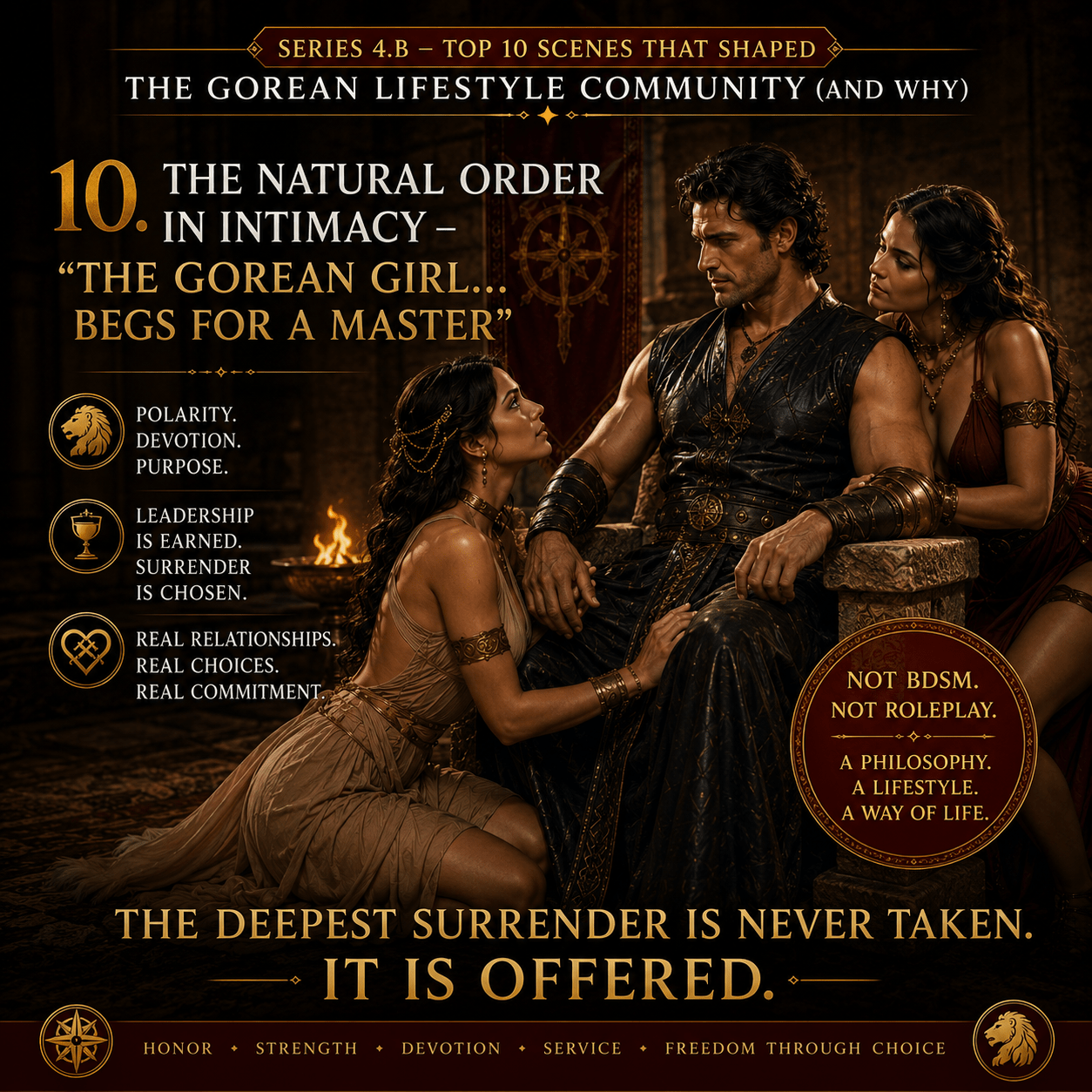
The last of the ten scenes: Natural Order in intimacy, and why the deepest surrender is never taken, only offered.
Gorean Aliveness: The Contrast with Earth Civilization

The ‘gray men’ of Nomads of Gor: Norman’s contrast between Gorean aliveness and the comfortable numbness of modern life.
On Earth There Are Many Males, But Few Men

‘Many males, but few men’: Gor’s contrast with Earth norms, and what a responsible, coherent masculinity looks like.
I Was Gorean, I Was Male: Tarl Cabot’s Epiphany

‘I was Gorean, I was male’: Tarl Cabot’s epiphany in Marauders of Gor and what it says about masculinity as integration.
Honor and Choice in Love: Two Women, Two Paths

Two women, two paths: the court scene in Assassin of Gor and what it teaches about honour, choice and honesty in love.
The Ritual of Serving Wine: Dignity in Service

The ritual of serving wine in the Gor novels: what it shows about dignity in service, and how it is practised today.
La Kajira: An Earth Woman’s First Surrender of Self

‘La Kajira’: the scene in which an Earth woman first names her surrender, and why it marked the Gorean lifestyle community.
Aphris of Turia: From Proud Beauty to Serving Slave

Aphris of Turia in Nomads of Gor: her journey from proud free woman to slave, and what the Gorean community takes from it.
The Fall of Tharna: When Natural Order Overturns a Matriarchy
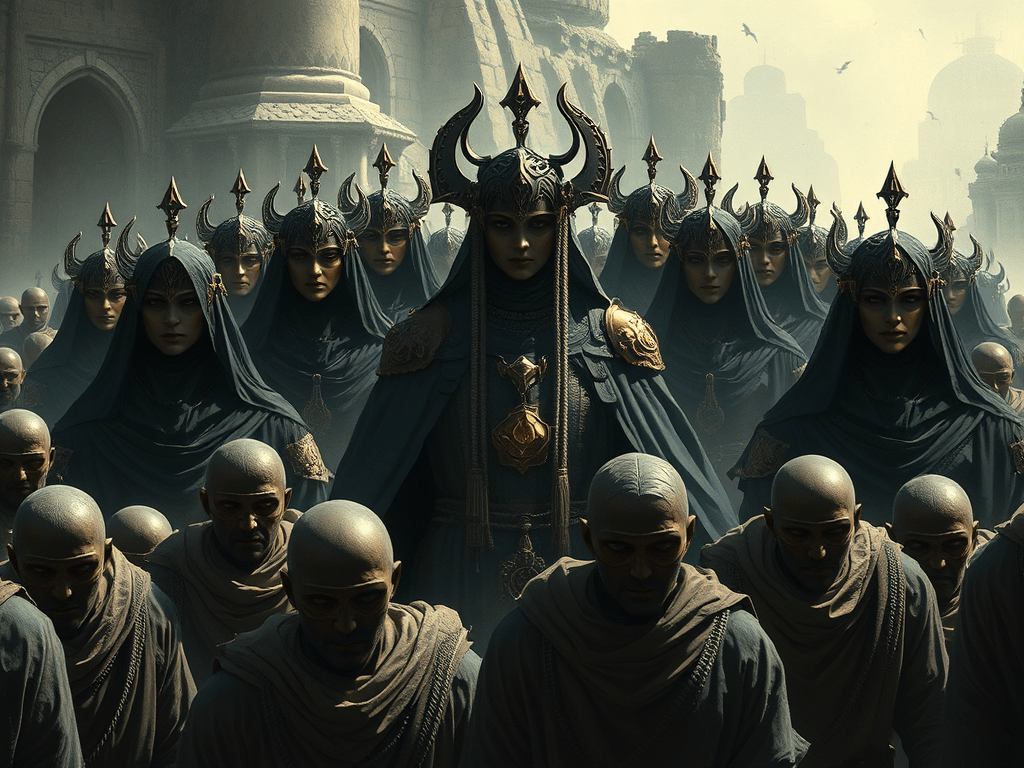
The fall of Tharna in Outlaw of Gor: what the scene says about Natural Order, and how Goreans read it today.
The Home Stone of Port Kar: Loyalty and Belonging
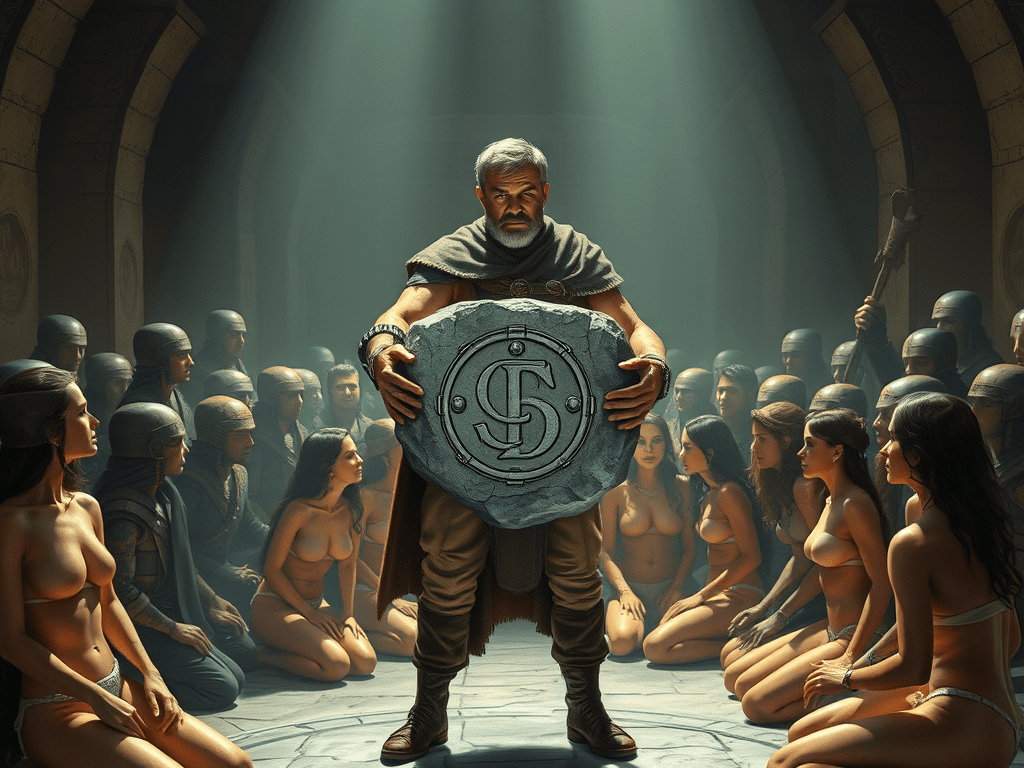
The Home Stone of Port Kar: the scene in Raiders of Gor that shows what loyalty and belonging mean to Goreans.
Gor’s Controversies: Misconceptions and Reality Checks

The main controversies around the Gor novels, the misconceptions behind them, and an honest reality check for new readers.
Where to Find the Gor Books Legally

Where to find the Gor books legally: current editions, ebooks and second-hand copies of John Norman’s saga.
The Gor Saga’s Pivotal Books and Turning Points

The pivotal books and turning points of the Gor saga: the novels that change the story and the ideas of the series.
Why Gor Is Not Just Erotic Pulp: The Philosophy Behind It

Why the Gor novels are more than erotic pulp: the philosophy behind the fantasy and how John Norman’s ideas developed.
The Gor Saga Stage 6: Climactic Conclusions (Books 34–38)

Books 34–38 of the Gor saga, from Plunder of Gor to Treasure of Gor: the most recent novels and what they add.
The Gor Saga Stage 5: The Saga Resumes (Books 26–33)

Books 26–33 of the Gor saga, from Witness of Gor to Rebels of Gor: how the series resumed and where the story goes.
The Gor Saga Stage 4: War and Upheaval (Books 17–25)
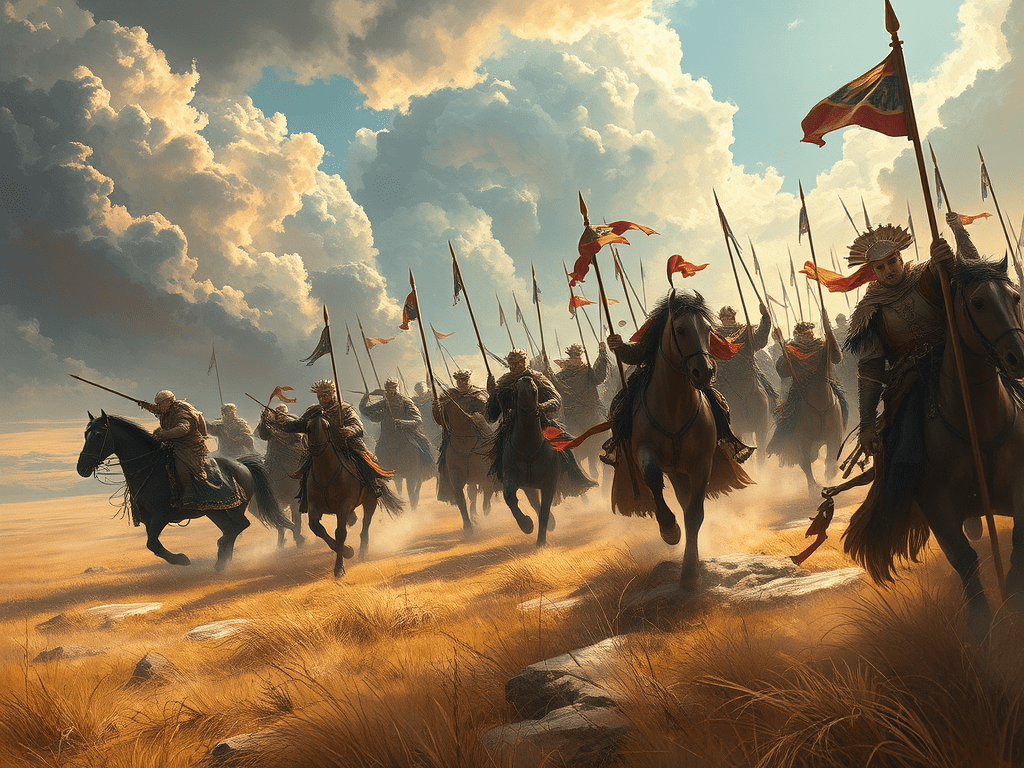
Books 17–25 of the Gor saga, from Savages of Gor to Magicians of Gor: war, upheaval and the last books of the original run.
The Gor Saga Stage 3: The Jason Marshall Trilogy (Books 14–16)

Books 14–16 of the Gor saga: the Jason Marshall trilogy, Fighting Slave, Rogue and Guardsman of Gor, and why it stands apart.
The Gor Saga Stage 2: Deeper Themes (Books 7–13)

Books 7–13 of the Gor saga, from Captive of Gor to Explorers of Gor: new narrators, deeper themes and a wider world.
The Gor Saga Stage 1: The Early Adventures (Books 1–6)

Books 1–6 of the Gor saga: Tarl Cabot’s early adventures, from Tarnsman of Gor to Raiders of Gor, and the themes they introduce.
Where to Start with the Books of Gor: A Reading Guide
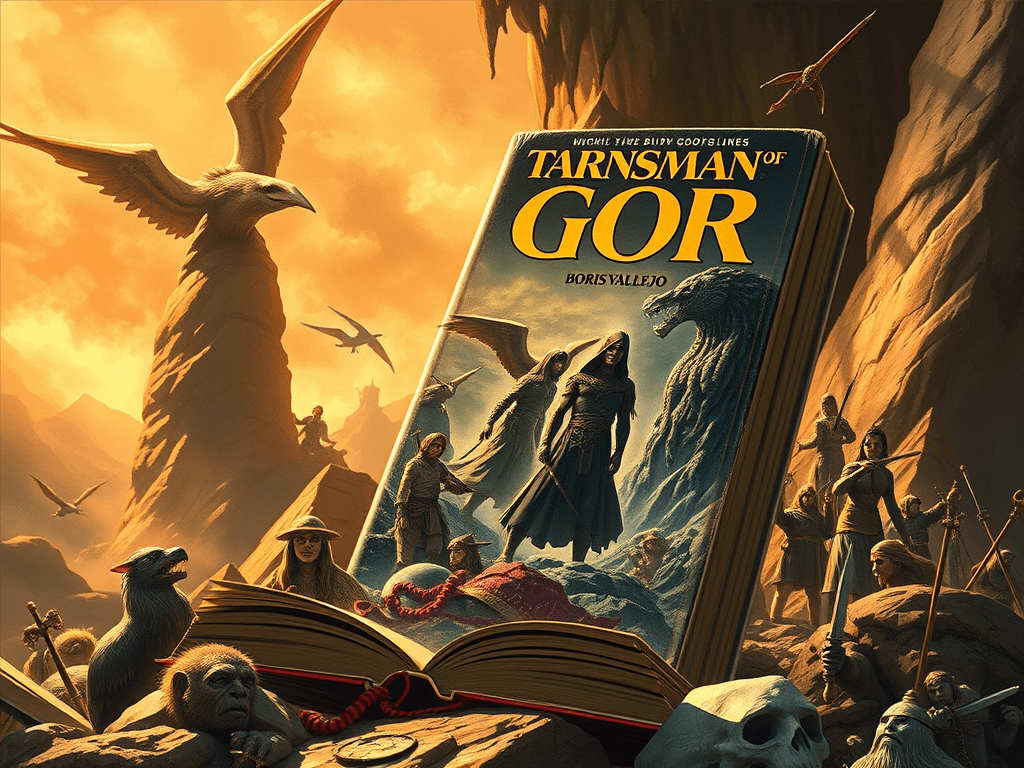
New to Gor? A reading guide to John Norman’s saga: where to start, which order to follow and what to expect from the books.
Living Gorean Values in a Vanilla Public Life

How to live Gorean values such as honour and discipline in ordinary public life, at work and with family, with discretion.
Bridging Fantasy and Reality in Gorean Relationships

How to bring Gorean ideals into a real relationship: what to keep from the books, what to leave in fiction, and how to tell the difference.

