Gorean Lifestyle - House of Phoenix
A view of the Gorean Lifestyle and Philosophy based on the Books
Series 4.a – Where to Start with the Books of Gor – Part 2: Saga in Stages: Phases of the Gorean Journey – Stage 4
Though the Gorean saga is one long continuum, it’s helpful to break it into phases, each with its own focus and feel. Here’s a roadmap of the journey, with light spoilers (I won’t ruin major twists, only set the stage):
4. War and Upheaval (Books 17–25): The Epic Gorean War and Turning Point
Key books: Savages of Gor (17), Blood Brothers of Gor (18), Kajira of Gor (19), Players of Gor (20), Mercenaries of Gor (21), Dancer of Gor (22), Renegades of Gor (23), Vagabonds of Gor (24), Magicians of Gor (25).
This phase is the climax of the “classic” Gor series (1960s–1980s) – a lengthy saga of conflict often called the “Ar-Cos War” arc or the “Gorean World War.” It’s here that threads laid from the earliest books converge: the rivalry between the empire of Ar and the island of Cos erupts into open war, and the Kurii make their boldest moves to destabilize Gor. If you’ve enjoyed the world-building so far, buckle up: Books 17–25 form a continuous sequence with recurring characters and mounting stakes, almost like a multipart fantasy epic within the larger saga.
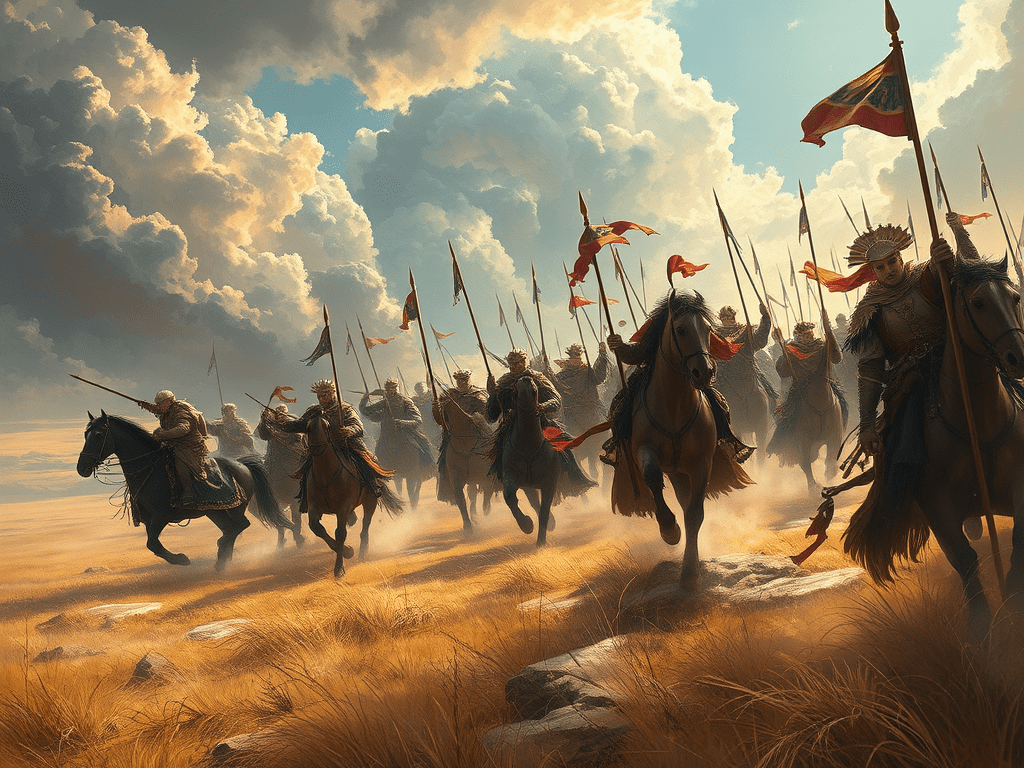
The first two books in this arc, Savages of Gor and Blood Brothers of Gor, whisk Tarl Cabot off to yet another new culture: the Barrens, vast plains reminiscent of the American Great Plains, inhabited by the Red Savages (clearly inspired by Native American tribes). At first glance, one might think these are another “cultural detour,” separate from the main war – but in fact, a significant Kurii plot is unfolding here. Tarl lives among the tribes (even becoming “Kaiila-blood brother” to a warrior) and learns of Kurii agents stirring conflict by arming the tribes with advanced weapons . These two novels stand out for their respectful (if fictionalized) depiction of tribal life and Tarl’s deep camaraderie with people outside his own civilization. They also show Kurii strategy: attacking Gor’s fringes to weaken its center. By Blood Brothers of Gor, Tarl uncovers and foils a Kurii scheme in the Barrens, but at great cost. These events strengthen his resolve for the greater fight ahead.
Starting with Kajira of Gor (Book 19), the war arc kicks into high gear. Interestingly, Book 19 is another female POV story: the narrator is Lady Tiffany Collins, a noble Earth woman who is captured and ends up as a slave right in the middle of war-related intrigues (much of the story takes place at the massive Sardar Fair and in the court of Ar’s allies) . Through Tiffany’s eyes, we see the politics of Gor at a tipping point: Cosian forces and conspirators are maneuvering behind the scenes. For readers, Kajira of Gor offers both a front-row seat to the war’s prelude and the personal drama of a proud free woman slowly realigning her identity as a kajira (Norman doesn’t miss the chance to underline even in wartime, “a woman’s heart finds freedom in her collar”). Tiffany’s tale intersects with the main plot enough that Book 19 feels integral to the saga’s momentum.
From Players of Gor onward, Tarl Cabot is back as narrator, and Gor is at war. Players of Gor uses Gor’s favorite strategy game, Kaissa (similar to chess), as a metaphor for the strategic moves between Ar and Cos . Tarl travels as a spy and messenger, mingling with strategists and even competing in Kaissa tournaments, while battles loom. This book and the next (Mercenaries of Gor) show the chaos of war: cities are falling or switching sides, mercenary companies sell their swords to the highest bidder, and Tarl grapples with conflicting loyalties . We see Ar’s pride and overconfidence leading to missteps, and Cos (backed by the Kurii in subtle ways) gaining the upper hand. Tarl himself undertakes covert missions – at times fighting in disguise or rallying townsfolk to resist invaders.
Another perspective shift comes in Dancer of Gor (22), where we follow Doreen, a young Earth dancer abducted and made a paga tavern slave. Her personal journey from an aspiring urban dancer to a Gorean pleasure slave is one of the most detailed accounts of slave training and erotic surrender in the series . But Norman cleverly sets Doreen’s story against the backdrop of the war: events she witnesses in taverns and slave markets reflect the larger turmoil (soldiers celebrating conquests, refugees trading rumors, etc.). Dancer also underscores an increasingly stark contrast: while Gor’s free world is in violent upheaval, the slaves continue their lives of obedience and personal service relatively undisturbed by politics. It’s as if Norman is saying: kings and generals may rise and fall, but the natural order in the collar remains a constant. Doreen’s tale, like the other slave narratives, reinforces the Gorean idea that ultimate happiness for a woman can be found in devoted servitude, regardless of external chaos – a point some readers find poetic and others deeply problematic.
The final trilogy of this arc – Renegades of Gor, Vagabonds of Gor, and Magicians of Gor (Books 23–25) – brings the war to its climax and conclusion. These books are essentially three parts of one continuous story, so it’s best to read them in order without long breaks. Tarl returns to the frontlines around Ar: in Renegades, Ar has been invaded and occupied by Cosian forces (a major turning point – the proudest city on Gor has fallen). Tarl operates as a renegade leader, working with Ar’s underground resistance and allied factions to undermine the occupiers . There are tense guerrilla missions, rescue operations (including of some notable characters captured in earlier books), and a sense of Gor turned upside down. Vagabonds of Gor shows the aftermath of war on the common people – Tarl travels among refugees and villagers displaced by the conflict . Disguised as a ragged traveler, he gathers intelligence and sees firsthand the suffering and lawlessness that war has wrought. The title “Vagabonds” reflects how many Goreans, high and low, have been cast to the winds by the power struggle. Yet, crucially, Tarl also uncovers evidence of the Kurii’s hand in all this: hints that Cos’s stunning victory might not just be due to human cunning but also alien interference.
Finally, Magicians of Gor delivers the big payoff. Tarl returns to Ar for the endgame – here we confront the mysterious “Magicians,” who are not literal sorcerers but something far more insidious related to technology and deception . This book ties up the Ar-Cos war with epic battles and cunning reversals, and also pulls back the curtain on the Priest-Kings and Kurii conflict in a dramatic way. By the end of Book 25, you can expect major revelations (which we won’t spoil) and a resolution that restores a semblance of order to Gor. It’s the end of an era: Norman originally intended Magicians of Gor to perhaps be the series finale (it was the last book published by DAW in 1988 before a long hiatus). It certainly reads like a climax, wrapping up arcs that started all the way back in books 2–3. Longtime characters meet their fates (some triumphant, some tragic), the political landscape is altered, and Tarl Cabot’s long journey comes full circle in some respects.
For newcomers, reaching Book 25 is a milestone – you’ve effectively finished the classic saga. You’ve seen Gor in peace and war, in decadence and in desperation. Philosophically, by this point Norman has made his case blatantly clear on many issues: the books by now frequently include long philosophical dialogues about male dominance, female submission, and critiques of Earth’s “egalitarian illusions.” As one example, a character in Magicians of Gor might remark on how Goreans find it natural that a man might have multiple women serve him, whereas Earth puritans balk – illustrating Norman’s view that Gor’s polygyny is honest and Earth’s monogamy is a forced pretense. In fact, here’s a direct quote from later in the series (Book 37) that encapsulates Norman’s perspective on the gender theme:
“Slaves, as submissives, are powerfully, even tormentedly, sexually aroused by being subjected to casual, categorical, unqualified dominance. They have sexual experiences of which the free woman can only dream… On Gor, in their collars, at the feet of men, they had found themselves. In their collars, on Gor, they had undergone a liberation into truth and selfhood… On Earth many women are starved of sex; they languish in a sexual desert, yearning for masters they never meet. On Earth, often, they are not permitted their longed-for submissiveness… on Gor, they are given no choice but to recognize it.”
By the end of Magicians of Gor, you will have encountered the seeds of such statements. Norman’s “Natural Order” philosophy – the notion that it is perfectly natural for men to lead and dominate, and for women to yield and devote themselves – has been woven into the plot and the outcomes. Major female characters who resisted often end up happily collared or in a loving yet clearly hierarchical Free Companionship; male characters who were weak either grow strong or meet inglorious ends. The war itself can be seen as a test of Gor’s virility and honor – and without spoiling specifics, it’s the traditional, honor-bound Goreans (Tarl and his allies) who overcome both the treason of their own leaders and the machinations of the Kurii. The message is that Gor’s way “works” when pushed to the brink, whereas deceit and dishonor (embodied by the “magicians” and traitors) ultimately fail.
This phase is rich and arguably the most intense portion of the series. If you have come this far, you’ve likely become invested in the world and its philosophy (even if you don’t agree with it, you understand its internal logic). Many readers consider Savages through Magicians some of the best storytelling in Gor because of the high stakes and sustained narrative drive. Also, interestingly, as the plot barrels forward, some of Norman’s most pointed social commentary comes through – he doesn’t shy from controversial claims, but he also shows characters demonstrating honor, loyalty, bravery, and even friendship across cultures. For example, Tarl’s alliance with the Red Savages and the loyalty between male warriors (regardless of nationality) is portrayed with genuine respect. These virtues resonate beyond the kink or fantasy elements and are a big part of why fans find value in the series.
I wish you well!
©2026 – Written by Azrael Phoenix
- Follow on Facebook: GorByPhoenix
You can read the full set of articles of this Series here:
- Series 1 – Start Here: Understanding the Gorean Lifestyle
- Series 2 – The Philosophy: Values Behind the Gorean Lifestyle
- 2.a – Honor, Responsibility and Discipline: The Core of Gorean Philosophy
- 2.b – Freedom, Choice and Voluntary Surrender: A Paradox at the Heart of Gor
- 2.c – Strength and Vulnerability: The Gorean View of Masculinity and Femininity
- 2.d – Understanding Gorean Natural Order: Philosophy and Modern Life
- 2.e – Aligning Words and Actions in Gorean Life
- Series 3 – Practicing a Gorean-Inspired Lifestyle (Safely & Ethically)
- Series 4 – Reading Gor: Guides, Themes, and Character Studies
- 4.a – Where to Start with the Books of Gor
- Part 1 – A Reading Guide for Newcomers
- Part 2 – Saga in Stages: Phases of the Gorean Journey
- Stage 1 – The Early Adventures (Books 1–6): From Earthman to Gorean Warrior
- Stage 2 – Broadening Horizons & Deeper Themes (Books 7–13): New Perspectives on Gor
- Stage 3 – The Jason Marshall Trilogy (Books 14–16): A New Tale of Submission and Identity
- Stage 4 – War and Upheaval (Books 17–25): The Epic Gorean War and Turning Point
- Stage 5 – The Saga Resumes (Books 26–33): New Century, New Faces, and the Gorean Renaissance
- Stage 6 – Climactic Conclusions (Books 34–38): A New Resolve and the Future of Gor
- Part 3 – The Philosophy Behind the Fantasy: How Gor Evolved (and Why It’s Not Just “Erotic Pulp”)
- Part 4 – Major Pivotal Books & Moments in the Saga
- Part 5 – Where to Find the Gor Books (Legally and Easily)
- Part 6 – Confronting the Controversies: Misconceptions and Reality-Checks
- 4.a – Where to Start with the Books of Gor
Discover more from Gorean Lifestyle - House of Phoenix
Subscribe to get the latest posts sent to your email.
 Gorean Lifestyle - House of Phoenix
Pingback: Series 4.b – 10 Scenes That Shaped the Gorean Lifestyle Community (and Why) – Part 7: “I Was Gorean – I Was Male” – Tarl Cabot’s Epiphany of Masculine Identity – Gorean Lifestyle – House of Phoenix
Pingback: Series 4.b – 10 Scenes That Shaped the Gorean Lifestyle Community (and Why) – Part 6: Honor and Choice in Love: Two Women, Two Paths (Ar’s Court, Assassin of Gor) – Gorean Lifestyle – House of Phoenix
Pingback: Series 4.b – 10 Scenes That Shaped the Gorean Lifestyle Community (and Why) – Part 4: “La Kajira” — An Earth Woman’s First Surrender of Self – Gorean Lifestyle – House of Phoenix
Pingback: Series 4.b – 10 Scenes That Shaped the Gorean Lifestyle Community (and Why) – Part 3 – From Proud Beauty to Serving Slave – Aphris of Turia’s Surrender – Gorean Lifestyle – House of Phoenix
Pingback: Series 4.b – 10 Scenes That Shaped the Gorean Lifestyle Community (and Why) – Part 2 – The Fall of Tharna – When Natural Order Overturns a Matriarchy – Gorean Lifestyle – House of Phoenix
Pingback: Series 4.b – 10 Scenes That Shaped the Gorean Lifestyle Community (and Why) – Part 1 – The Home Stone of Port Kar – Loyalty and Belonging in Action – Gorean Lifestyle – House of Phoenix
Pingback: Series 4.a – Where to Start with the Books of Gor – Part 6: Confronting the Controversies: Misconceptions and Reality-Checks – Gorean Lifestyle – House of Phoenix
Pingback: Series 4.15 – Where to Start with the Books of Gor – Part 5: Where to Find the Gor Books (Legally and Easily) – Gorean Lifestyle – House of Phoenix
Pingback: Series 4.a – Where to Start with the Books of Gor – Part 4: Major Pivotal Books & Moments in the Saga – Gorean Lifestyle – House of Phoenix
Pingback: Series 4.a – Where to Start with the Books of Gor – Part 3: The Philosophy Behind the Fantasy: How Gor Evolved (and Why It’s Not Just “Erotic Pulp”) – Gorean Lifestyle – House of Phoenix
Pingback: Series 2.a – Honor, Responsibility and Discipline: The Core of Gorean Philosophy – Gorean Lifestyle – House of Phoenix
Pingback: Series 2.b — Freedom, Choice and Voluntary Surrender: A Paradox at the Heart of Gor – Gorean Lifestyle – House of Phoenix
Pingback: Series 2.c — Strength and Vulnerability: The Gorean View of Masculinity and Femininity – Gorean Lifestyle – House of Phoenix
Pingback: Series 2.d – Understanding Gorean Natural Order: Philosophy and Modern Life – Gorean Lifestyle – House of Phoenix
Pingback: Series 2.e – Aligning Words and Actions in Gorean Life – Gorean Lifestyle – House of Phoenix
Pingback: Series 1.a – Understanding the Gorean Lifestyle: Myths and Realities – Gorean Lifestyle – House of Phoenix
Pingback: Series 1.b – From Page to Practice: How People Moved From the Books of Gor to a Modern Lifestyle – Gorean Lifestyle – House of Phoenix
Pingback: Series 1.c – Key Gorean Concepts for Beginners: Home Stone, Caste, Natural Order & More – Gorean Lifestyle – House of Phoenix
Pingback: Series 1.d – Common Misconceptions About the Gorean Lifestyle – Gorean Lifestyle – House of Phoenix
Pingback: Series 4.15 – Where to Start with the Books of Gor – Part 2: Saga in Stages: Phases of the Gorean Journey – Stage 6 – Gorean Lifestyle – House of Phoenix
Pingback: Series 4.15 – Where to Start with the Books of Gor – Part 2: Saga in Stages: Phases of the Gorean Journey – Stage 5 – Gorean Lifestyle – House of Phoenix